Solar is not one system. The label you choose describes how generation, the utility supply and storage work together. Starting with the right label makes the rest of the design conversation much easier.
Start with your priority
Before comparing hardware, decide what the system must do. Is the goal to generate electricity against a grid connection? To keep selected loads running when supply is unavailable? Or to operate independently where a utility connection is difficult or absent? Each answer points to a different architecture.
On-grid solar
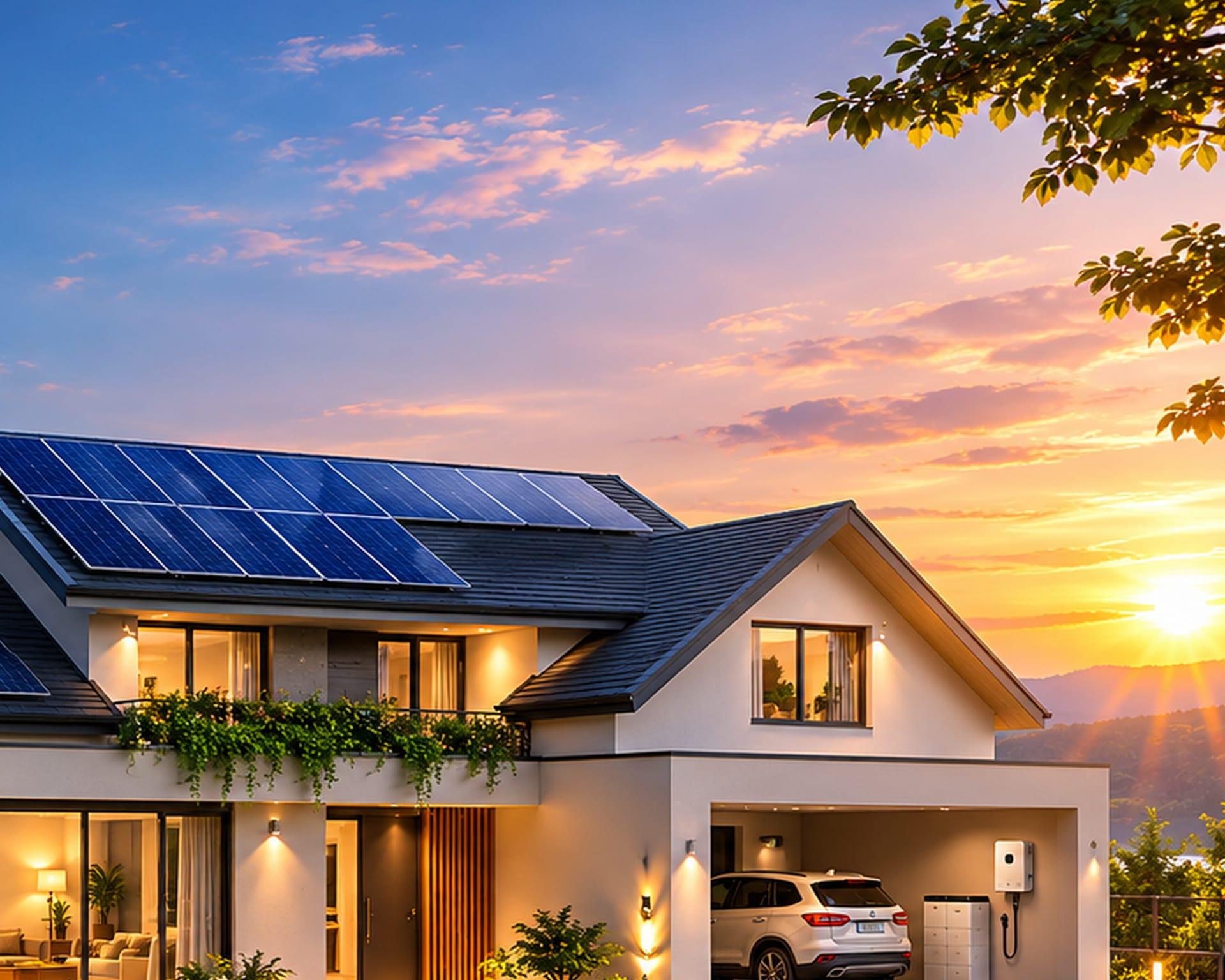
An on-grid system works alongside a utility connection. It generates electricity during daylight and exports or consumes through the grid according to the approved arrangement. A key limitation is often overlooked: on-grid systems normally do not provide battery backup by themselves. Typical grid-tied inverters stop during an outage for safety. Grid connection and net-metering approvals depend on the jurisdiction, utility, system type and current rules.
Hybrid solar
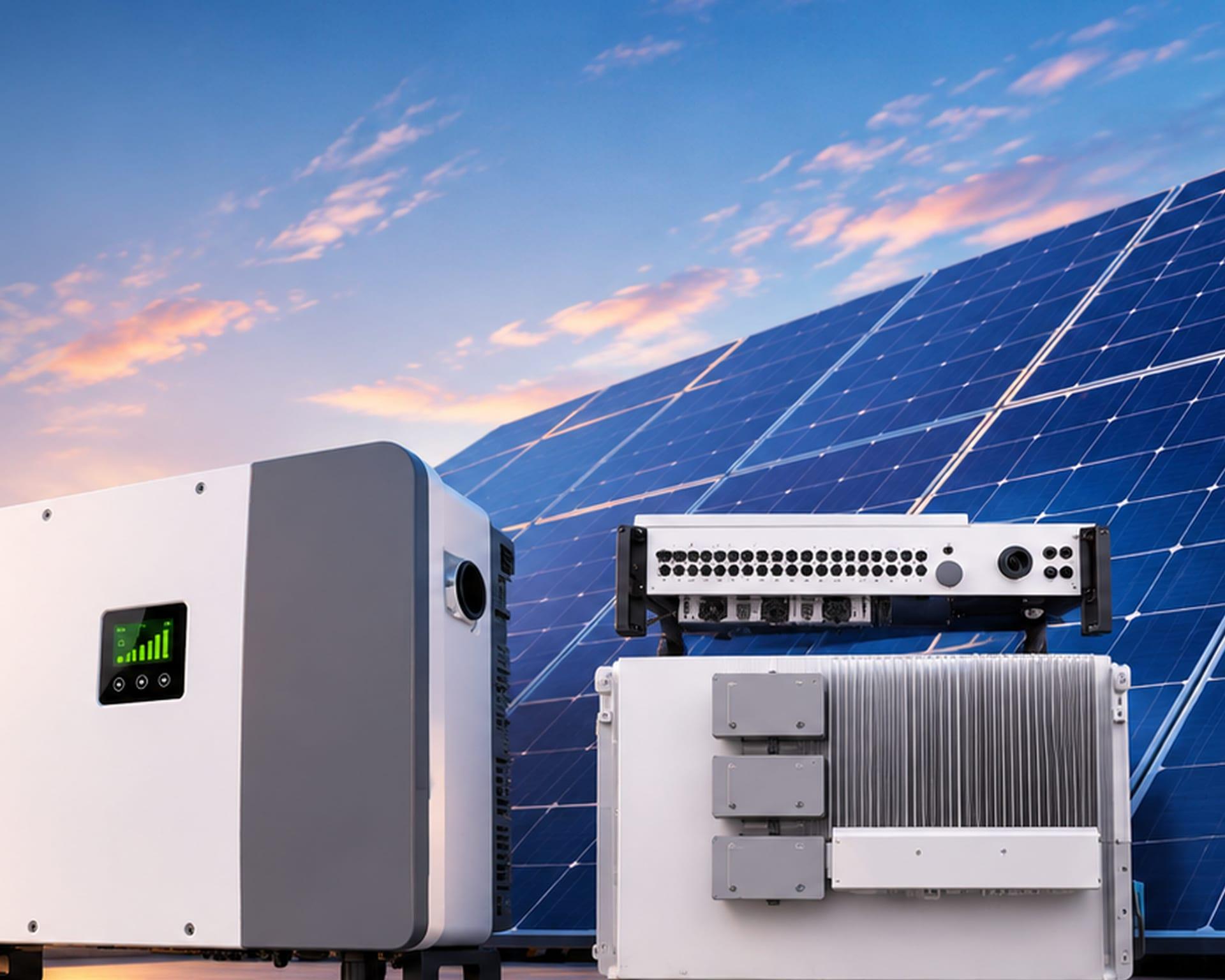
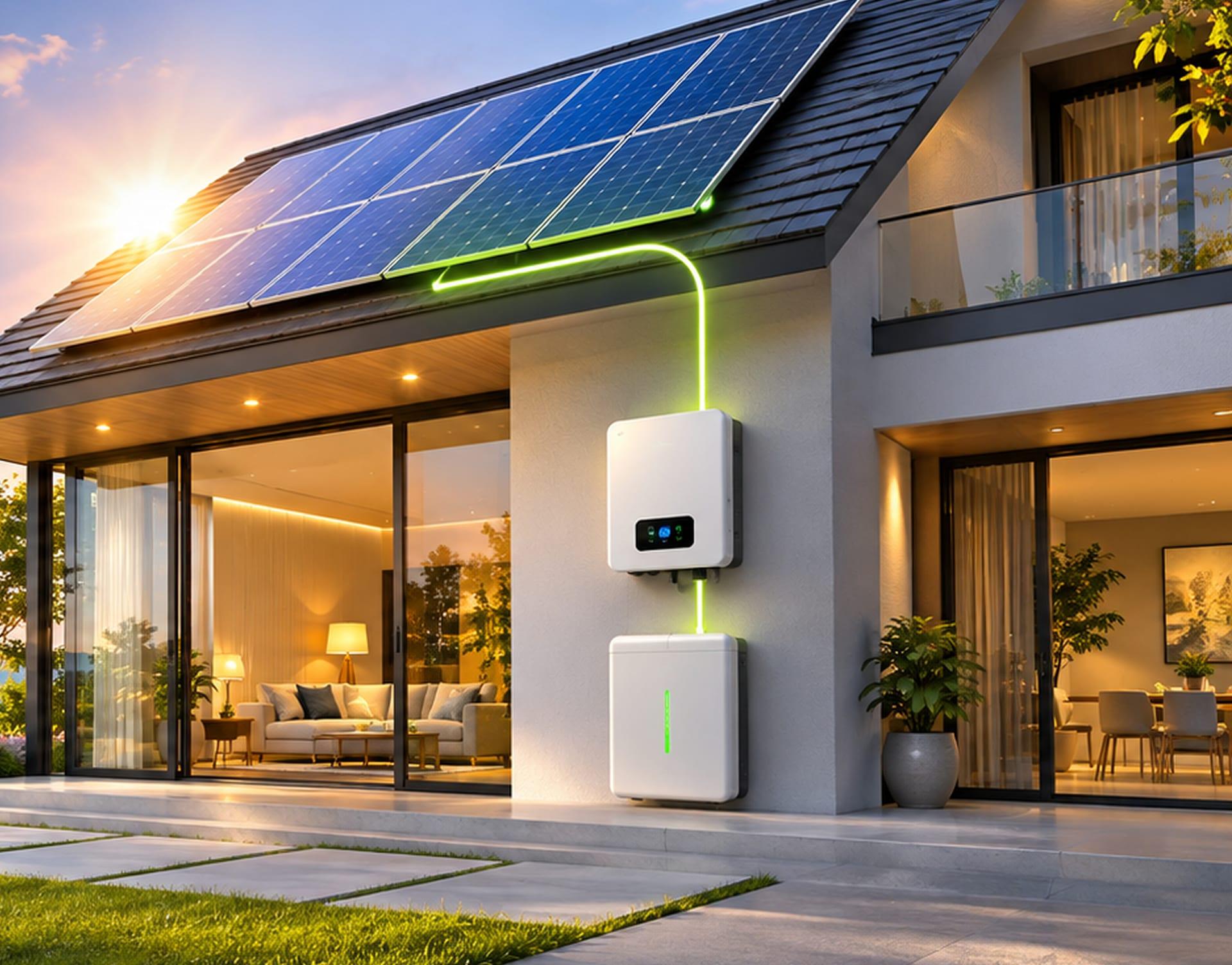
A hybrid system combines solar generation, utility supply and compatible battery storage in one controlled arrangement. It is worth considering when selected backup loads matter alongside generation. Compatibility is not assumed: battery chemistry, voltage, charging parameters and communication protocols must match the inverter. The useful question is not “can a battery be attached?” but “which battery, which loads and how much runtime?”
Off-grid solar
Off-grid systems are designed around independent generation and storage. The design begins with a load estimate, not a fixed kit size. Cameras, networking hardware, lighting and communications may run for long hours, so battery autonomy and seasonal solar input matter as much as panel count.
Questions worth asking
- What must keep running during an outage, and for how many hours?
- Is a utility connection available, and what approvals apply?
- Which battery chemistry and voltage does the inverter support?
- What is the usable battery energy after conversion losses?
- Who defines the installation and protection scope?
How Namma Power can help
We focus on component-focused selection and project enquiries. Share your location, consumption pattern, roof conditions and backup loads, and we will help define a suitable scope. See our contact page for the details to include.
Savings, generation and payback depend on actual consumption, tariff, local irradiation, shading and approved system design.